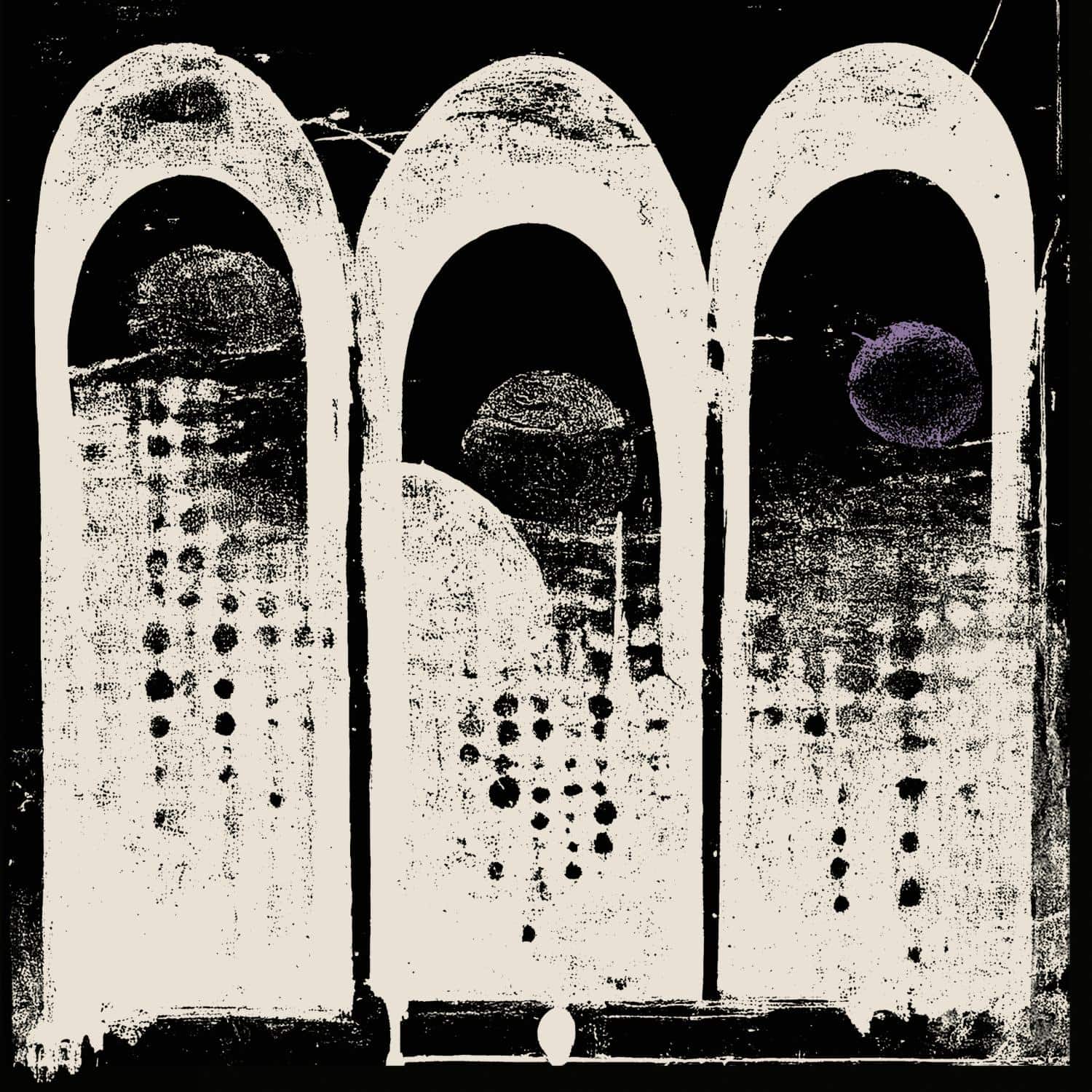


Time of Fallow
There is no singular epiphany on Ellie O’Neill’s gorgeous debut Time of Fallow. Instead, there is an archive of memories and dreamstuff, an ongoing negotiation between what must be kept alive and what must be allowed to die peacefully. On it, O’Neill becomes both voyeur and surveyor of her own life, tending to memory with care, distance, and devotion.
O’Neill’s music moves like the churn of a river. Falling down into little rivulets, clogging and unclogging, stones locking then unlocking the river flow. It flows clear and luminous, with a grace that is never strained, with a richness that is never excessive. Romance and grief coexist uneasily, sediment and shimmer braided together.
The first song O’Neill wrote for what became Time of Fallow emerged while she was still an undergraduate, immersed in an English degree and writing her thesis on Nightwood and the queer temporality of the modernist novel. She thinks about her songs the same way: through queer time. Her songs refuse chronology. They don’t hurry toward resolution. She’ll typically linger on two or three chords as long as they remain beautiful, ripe, and alive. And then she’ll break, suddenly, and turn in an entirely new direction.
Time of Fallow’s existence is a defiance against clandestine love and refused desire. The songs circle the time when O’Neill was coming into her own queerness while simultaneously being crushed by “the love object,” she says. It was a time of great change for her and for Ireland itself: when she turned 18, the country legalised gay marriage; at 21, it repealed the abortion ban. Many of the lyrics are direct memories, experiences, and even verbatim quotes from that time. Songs — great, unruly and generous things that they are — are a way of reestablishing one’s own narrative over another, and giving it full, free roam. For O’Neill, more importantly, it was about reestablishing herself as her own person, self-sufficiently, independently and without the other.
In the vein of some of Ireland’s greatest talents: Sinead O’Connor; Dolores O’Riordan, O’Neill is a singer and songwriter of astonishing purity. But Time of Fallow resists the language of arrival. It is a patient, ongoing, repeating practice of sifting through the stash of her own memory. Moving through the cycles of grief, she uses repetition as a form of truth-telling, yielding to the loop of lived reality rather than a fabricated, too-neat arc. If Time of Fallow begins in the riverbed, it ends at the mouth of it, where everything loosens, and finally lets go.
Original: $20.03
-65%$20.03
$7.01Product Information
Product Information
Shipping & Returns
Shipping & Returns
Description
There is no singular epiphany on Ellie O’Neill’s gorgeous debut Time of Fallow. Instead, there is an archive of memories and dreamstuff, an ongoing negotiation between what must be kept alive and what must be allowed to die peacefully. On it, O’Neill becomes both voyeur and surveyor of her own life, tending to memory with care, distance, and devotion.
O’Neill’s music moves like the churn of a river. Falling down into little rivulets, clogging and unclogging, stones locking then unlocking the river flow. It flows clear and luminous, with a grace that is never strained, with a richness that is never excessive. Romance and grief coexist uneasily, sediment and shimmer braided together.
The first song O’Neill wrote for what became Time of Fallow emerged while she was still an undergraduate, immersed in an English degree and writing her thesis on Nightwood and the queer temporality of the modernist novel. She thinks about her songs the same way: through queer time. Her songs refuse chronology. They don’t hurry toward resolution. She’ll typically linger on two or three chords as long as they remain beautiful, ripe, and alive. And then she’ll break, suddenly, and turn in an entirely new direction.
Time of Fallow’s existence is a defiance against clandestine love and refused desire. The songs circle the time when O’Neill was coming into her own queerness while simultaneously being crushed by “the love object,” she says. It was a time of great change for her and for Ireland itself: when she turned 18, the country legalised gay marriage; at 21, it repealed the abortion ban. Many of the lyrics are direct memories, experiences, and even verbatim quotes from that time. Songs — great, unruly and generous things that they are — are a way of reestablishing one’s own narrative over another, and giving it full, free roam. For O’Neill, more importantly, it was about reestablishing herself as her own person, self-sufficiently, independently and without the other.
In the vein of some of Ireland’s greatest talents: Sinead O’Connor; Dolores O’Riordan, O’Neill is a singer and songwriter of astonishing purity. But Time of Fallow resists the language of arrival. It is a patient, ongoing, repeating practice of sifting through the stash of her own memory. Moving through the cycles of grief, she uses repetition as a form of truth-telling, yielding to the loop of lived reality rather than a fabricated, too-neat arc. If Time of Fallow begins in the riverbed, it ends at the mouth of it, where everything loosens, and finally lets go.