The Singer In My Band
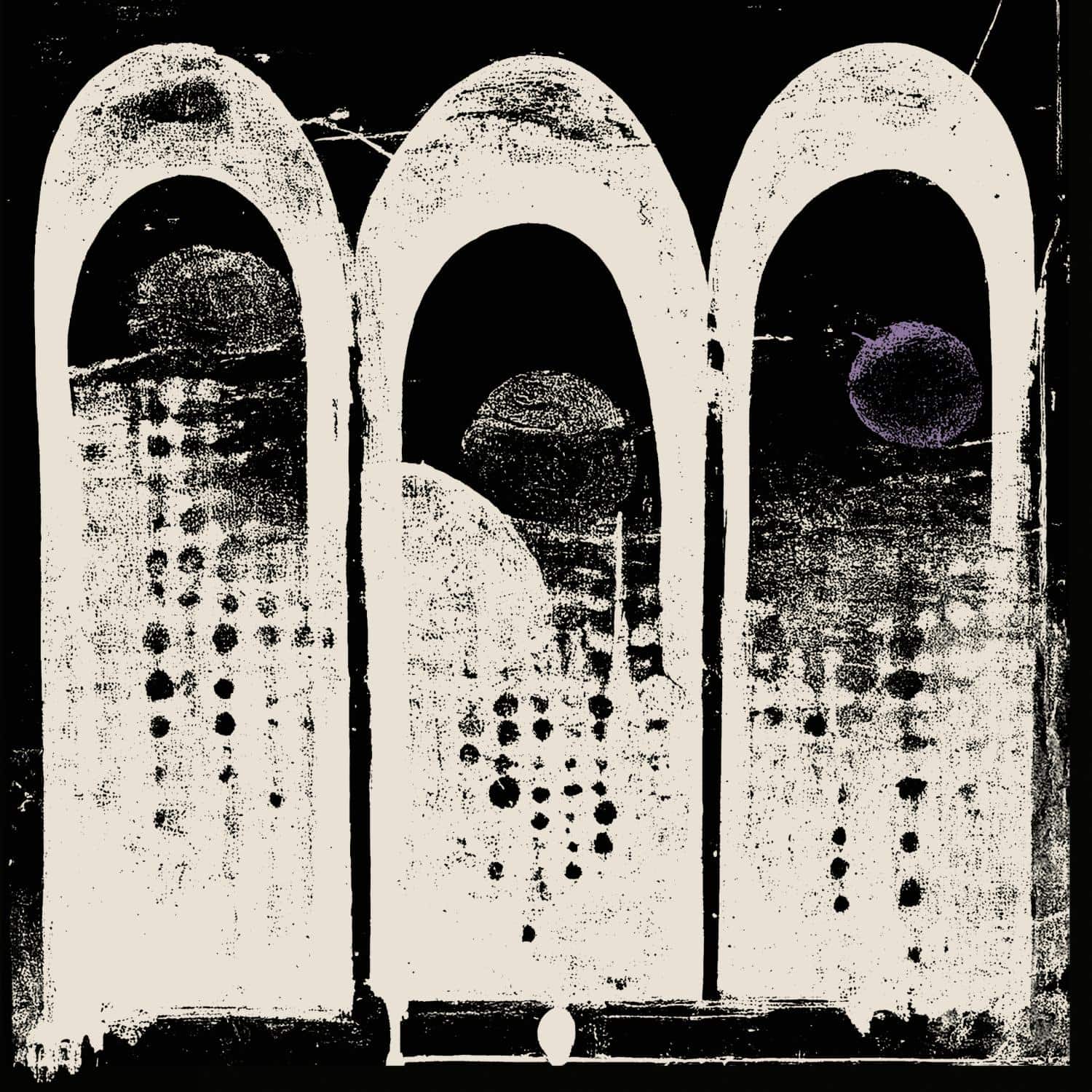
The last few years have been transformative for Nate Amos. Between delivering breakout records both as a solo artist — under his This Is Lorelei moniker — and with his band Water From Your Eyes, sold out shows across multiple continents, to seeing some of today’s most influential artists cover his songs, the ascending songwriter has found his stride. As the first This Is Lorelei album for Matador Records, The Singer in My Band takes the building blocks of the Great American Songbook and twists those elemental pieces into new shapes, at once both strangely familiar and endearingly offbeat in Amos’ signature style.
Written while touring the globe in support of releases from both his bands, The Singer in My Band arrives as the first true ‘road record’ in Amos’ discography. “The ideas incubated while daydreaming in the car without access to any instruments,” he recalls, “so instead of being home and writing on the guitar or a computer, they developed slowly and subconsciously, existing as a sort of intangible thing while looking out the van window.”
There’s Billy, Joey, Genevieve, Sarah, and the ever-present Buddy, an Altman-esque ensemble cast that populate the album’s stories, scattered through distinctly American scenes and landmarks. As narrators go, they aren’t terribly reliable. They traffic in wild stories and chaotic experiences that are at once oddly specific and just a bit blurry, mirroring Amos’ experience of these last several years. “It’s funny, I sent my dad the album after I finished it, and he said it was kind of an “on the road beatnik” album and that reframed it for me,” says Amos. “It really is like a collection of chaotic experiences that you have while travelling. They’re also very much little works of fiction with elements of truth to them.”
2024’s Box for Buddy, Box for Star was Amos’ first attempt at an intentionally written full-length solo album, tackling newfound sobriety through a roving tongue-in-cheek take on musical personas, all strained through Amos’ genre-agnostic lens. It was a critical and word-of-mouth success, spawning a deluxe version with covers and collaborations including MJ Lenderman, Hayley Williams, Jeff Tweedy, Cameron Winter and many more.
The Singer in My Band came together in the same apartment Amos has produced much of his music, with final touches made at his parents’ house in St. Johnsbury, Vermont. Amos engineered, produced, and performed everything on Singer, save for a blistering banjo lead on the title track courtesy of his father, bluegrass musician Bob Amos, and the occasional vocals from his sister Sarah Amos and partner Al Nardo. “They’re three people who had a fundamental impact on what this album was to begin with, and the ways they could contribute were things that I had in mind as I was writing the songs,” he explains.
There’s an economy of style to Singer that’s distinct in the Lorelei catalog, harkening back to Amos’ earliest experiences with songwriting and a lifelong reverence for bluegrass music. “It’s the most fundamental form of music to me,” he says, but is quick to note any influence is more as a set of principles than a sound. “There’s a simplicity to bluegrass, where there are very particular rules and a very particular box - songs have to stand up by themselves in terms of melody, lyrics and chord progression.”
Product Information
Product Information
Shipping & Returns
Shipping & Returns
Description
The last few years have been transformative for Nate Amos. Between delivering breakout records both as a solo artist — under his This Is Lorelei moniker — and with his band Water From Your Eyes, sold out shows across multiple continents, to seeing some of today’s most influential artists cover his songs, the ascending songwriter has found his stride. As the first This Is Lorelei album for Matador Records, The Singer in My Band takes the building blocks of the Great American Songbook and twists those elemental pieces into new shapes, at once both strangely familiar and endearingly offbeat in Amos’ signature style.
Written while touring the globe in support of releases from both his bands, The Singer in My Band arrives as the first true ‘road record’ in Amos’ discography. “The ideas incubated while daydreaming in the car without access to any instruments,” he recalls, “so instead of being home and writing on the guitar or a computer, they developed slowly and subconsciously, existing as a sort of intangible thing while looking out the van window.”
There’s Billy, Joey, Genevieve, Sarah, and the ever-present Buddy, an Altman-esque ensemble cast that populate the album’s stories, scattered through distinctly American scenes and landmarks. As narrators go, they aren’t terribly reliable. They traffic in wild stories and chaotic experiences that are at once oddly specific and just a bit blurry, mirroring Amos’ experience of these last several years. “It’s funny, I sent my dad the album after I finished it, and he said it was kind of an “on the road beatnik” album and that reframed it for me,” says Amos. “It really is like a collection of chaotic experiences that you have while travelling. They’re also very much little works of fiction with elements of truth to them.”
2024’s Box for Buddy, Box for Star was Amos’ first attempt at an intentionally written full-length solo album, tackling newfound sobriety through a roving tongue-in-cheek take on musical personas, all strained through Amos’ genre-agnostic lens. It was a critical and word-of-mouth success, spawning a deluxe version with covers and collaborations including MJ Lenderman, Hayley Williams, Jeff Tweedy, Cameron Winter and many more.
The Singer in My Band came together in the same apartment Amos has produced much of his music, with final touches made at his parents’ house in St. Johnsbury, Vermont. Amos engineered, produced, and performed everything on Singer, save for a blistering banjo lead on the title track courtesy of his father, bluegrass musician Bob Amos, and the occasional vocals from his sister Sarah Amos and partner Al Nardo. “They’re three people who had a fundamental impact on what this album was to begin with, and the ways they could contribute were things that I had in mind as I was writing the songs,” he explains.
There’s an economy of style to Singer that’s distinct in the Lorelei catalog, harkening back to Amos’ earliest experiences with songwriting and a lifelong reverence for bluegrass music. “It’s the most fundamental form of music to me,” he says, but is quick to note any influence is more as a set of principles than a sound. “There’s a simplicity to bluegrass, where there are very particular rules and a very particular box - songs have to stand up by themselves in terms of melody, lyrics and chord progression.”