🎉 Up to 70% Off Selected ItemsShop Sale

Otterson
Diana began work on her latest album, Otterson, during the COVID shutdown. “I was locked away like pretty much everyone else on the planet. And it was that isolation that let me go deeper into myself, and then these songs started coming. At the time, I didn’t understand what they were all about, but a unifying theme emerged – loss. Loss of a relationship, an animal, self, faith, and a shedding of emotions I had carried around for years.”
For Diana, it wasn’t the writing that proved the most difficult, but rather, the recording. “I’m used to recording alone in my apartment, on 4-track cassette. This time, I was encouraged by other musician-friends to learn to use a DAW. They all said how easy it would be. It wasn’t. The whole experience was crazy and pretty much everything that could break, or go wrong technically, did. It was so bad, I almost gave up. But I didn’t. I kept trying.”
The result is a collection of songs that fold into the listeners psyche with quiet insistence. Like prayers sung in the dark to a hypnotic melody. Mid-tempo, 1966 influenced sounds lull you in, before stark, Broadway-on-acid numbers completely disarm you. A few of the songs were written years earlier and re-discovered. “When my Apollo was in the shop, and the new laptop was also in the shop, I pulled out some old hard drives and found these lost recordings. I put three that I especially liked into Logic to see if I could work with them and soon realized that they added another dimension. They give the album a layer of ghostly eeriness which I love.”
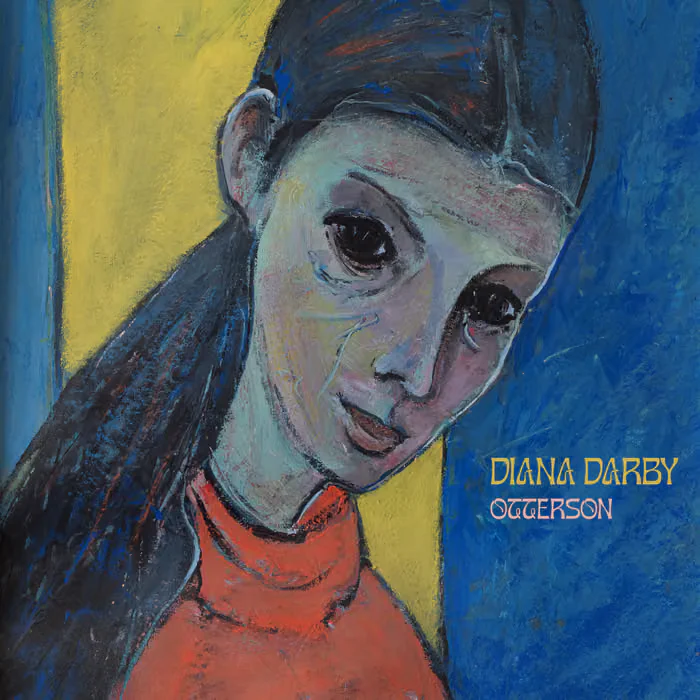
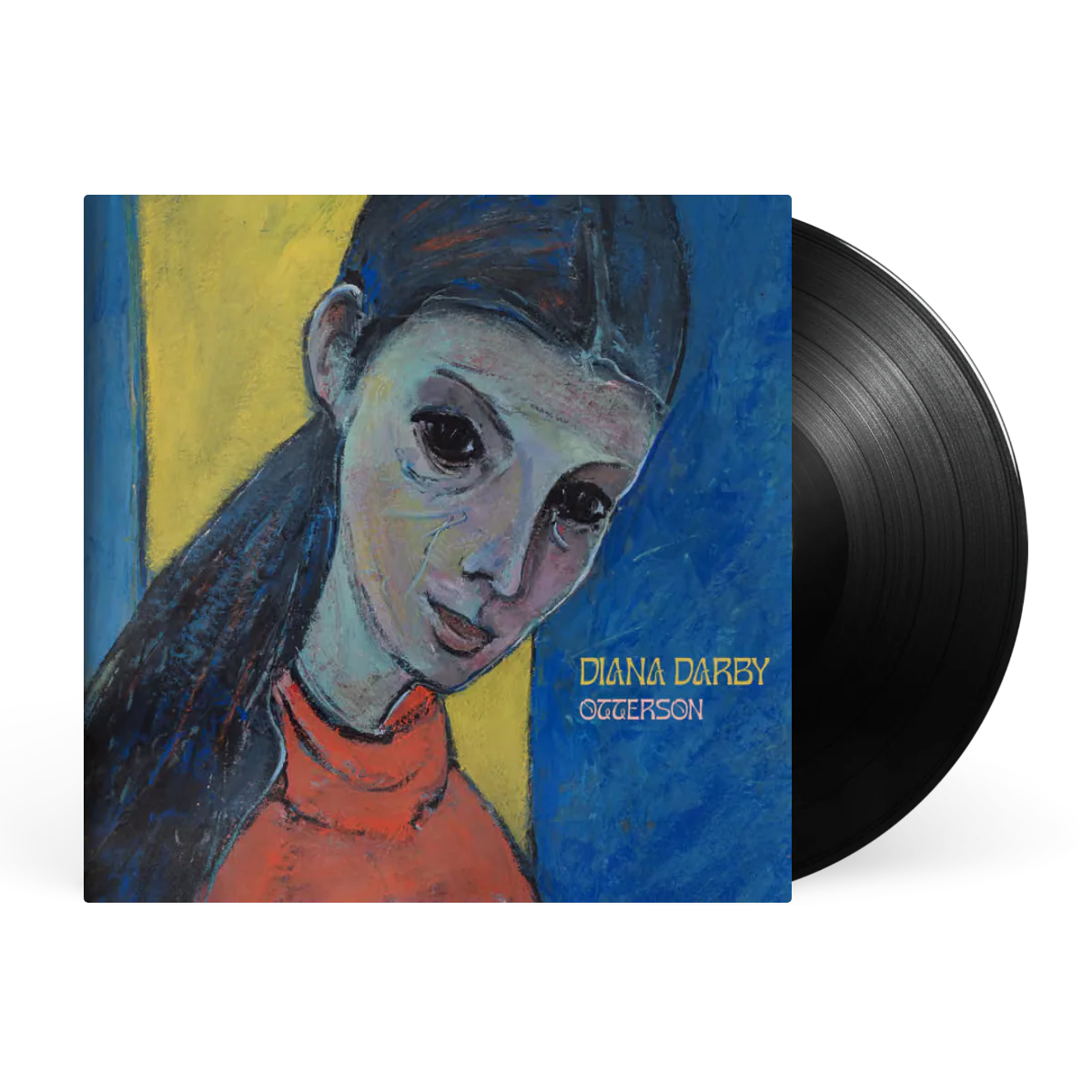
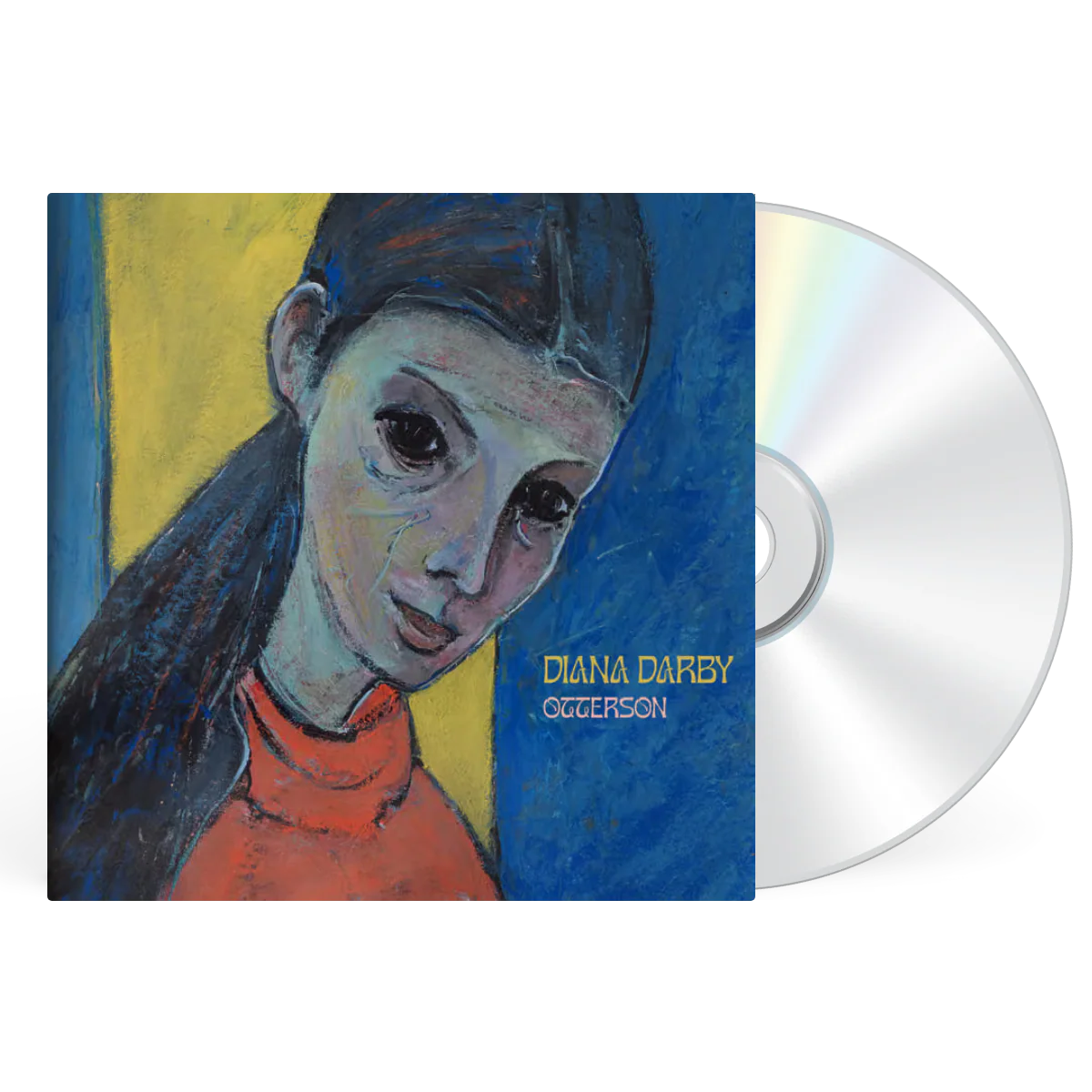
“It’s that ghostliness that drew me to use a painting which has hung on my living room wall for years, as the album cover.” It is a painting of a young, introverted woman with large eyes, and long dark hair, who seems otherworldly. “When people see it, they almost always ask if it’s me.” The painting was created by John Otterson. “John lived in my apartment building in Santa Monica. Years earlier he had been in a horrible car accident. He survived, but his wife and child who were in the car with him, did not. For months, he lived in a rehab facility. Originally, the doctors said he’d probably never walk again. But they were wrong. He did walk again because he didn’t give up.”
When Diana was in film school at USC, she made a documentary about John. “After deciding to use John’s painting, I pulled out my film (super 8!) and re-watched it. I realized how much I have in common with John at this point in my life. I had also suffered a serious injury in the past ten years, and experienced the loss of both of my parents, who I’d been caring for. In the film, John says, ‘Painting is a feeling thing. It has to do with the intensity of your feelings of the world around you. How much have you been through? Have you lost something dear to you? All these things add up to make a more intense human being’.
Intensity has never been in short supply on Diana Darby albums. “I feel things deeply, probably too deeply for my own well-being. But those feelings also fuel me, and diving into dark holes is the only way through, if I want to come out on the other side.” On “Dear Jane,” Diana’s voice cracks and falters, as if she herself were made of ice. She paints a bleak, arctic world that refuses to melt regardless of the warmth of the sun. - A world where black crows appear out of nowhere then vanish as quickly as they arrived. A world that never changes for the singer, who remains frozen in time with heartache. “Raindog” is a voyeuristic confession, whispered to a soul left out in the cold, never knowing the warmth they have been denied. “And What Goes On” is a psychotropic ballad exploring the self-inflicted torture of rumination. Every song on Otterson is unflinchingly honest, often inspired by nature with all its wildness, characters wearing facades for faces leading duplicitous lives, stalkers desperate for love, and sweet dream-like lullabies for the dead.
For Diana, it wasn’t the writing that proved the most difficult, but rather, the recording. “I’m used to recording alone in my apartment, on 4-track cassette. This time, I was encouraged by other musician-friends to learn to use a DAW. They all said how easy it would be. It wasn’t. The whole experience was crazy and pretty much everything that could break, or go wrong technically, did. It was so bad, I almost gave up. But I didn’t. I kept trying.”
The result is a collection of songs that fold into the listeners psyche with quiet insistence. Like prayers sung in the dark to a hypnotic melody. Mid-tempo, 1966 influenced sounds lull you in, before stark, Broadway-on-acid numbers completely disarm you. A few of the songs were written years earlier and re-discovered. “When my Apollo was in the shop, and the new laptop was also in the shop, I pulled out some old hard drives and found these lost recordings. I put three that I especially liked into Logic to see if I could work with them and soon realized that they added another dimension. They give the album a layer of ghostly eeriness which I love.”
“It’s that ghostliness that drew me to use a painting which has hung on my living room wall for years, as the album cover.” It is a painting of a young, introverted woman with large eyes, and long dark hair, who seems otherworldly. “When people see it, they almost always ask if it’s me.” The painting was created by John Otterson. “John lived in my apartment building in Santa Monica. Years earlier he had been in a horrible car accident. He survived, but his wife and child who were in the car with him, did not. For months, he lived in a rehab facility. Originally, the doctors said he’d probably never walk again. But they were wrong. He did walk again because he didn’t give up.”
When Diana was in film school at USC, she made a documentary about John. “After deciding to use John’s painting, I pulled out my film (super 8!) and re-watched it. I realized how much I have in common with John at this point in my life. I had also suffered a serious injury in the past ten years, and experienced the loss of both of my parents, who I’d been caring for. In the film, John says, ‘Painting is a feeling thing. It has to do with the intensity of your feelings of the world around you. How much have you been through? Have you lost something dear to you? All these things add up to make a more intense human being’.
Intensity has never been in short supply on Diana Darby albums. “I feel things deeply, probably too deeply for my own well-being. But those feelings also fuel me, and diving into dark holes is the only way through, if I want to come out on the other side.” On “Dear Jane,” Diana’s voice cracks and falters, as if she herself were made of ice. She paints a bleak, arctic world that refuses to melt regardless of the warmth of the sun. - A world where black crows appear out of nowhere then vanish as quickly as they arrived. A world that never changes for the singer, who remains frozen in time with heartache. “Raindog” is a voyeuristic confession, whispered to a soul left out in the cold, never knowing the warmth they have been denied. “And What Goes On” is a psychotropic ballad exploring the self-inflicted torture of rumination. Every song on Otterson is unflinchingly honest, often inspired by nature with all its wildness, characters wearing facades for faces leading duplicitous lives, stalkers desperate for love, and sweet dream-like lullabies for the dead.
Select Format
From $8.88
Original: $25.38
-65%Otterson—
$25.38
$8.88Product Information
Product Information
Shipping & Returns
Shipping & Returns
Description
Diana began work on her latest album, Otterson, during the COVID shutdown. “I was locked away like pretty much everyone else on the planet. And it was that isolation that let me go deeper into myself, and then these songs started coming. At the time, I didn’t understand what they were all about, but a unifying theme emerged – loss. Loss of a relationship, an animal, self, faith, and a shedding of emotions I had carried around for years.”
For Diana, it wasn’t the writing that proved the most difficult, but rather, the recording. “I’m used to recording alone in my apartment, on 4-track cassette. This time, I was encouraged by other musician-friends to learn to use a DAW. They all said how easy it would be. It wasn’t. The whole experience was crazy and pretty much everything that could break, or go wrong technically, did. It was so bad, I almost gave up. But I didn’t. I kept trying.”
The result is a collection of songs that fold into the listeners psyche with quiet insistence. Like prayers sung in the dark to a hypnotic melody. Mid-tempo, 1966 influenced sounds lull you in, before stark, Broadway-on-acid numbers completely disarm you. A few of the songs were written years earlier and re-discovered. “When my Apollo was in the shop, and the new laptop was also in the shop, I pulled out some old hard drives and found these lost recordings. I put three that I especially liked into Logic to see if I could work with them and soon realized that they added another dimension. They give the album a layer of ghostly eeriness which I love.”
“It’s that ghostliness that drew me to use a painting which has hung on my living room wall for years, as the album cover.” It is a painting of a young, introverted woman with large eyes, and long dark hair, who seems otherworldly. “When people see it, they almost always ask if it’s me.” The painting was created by John Otterson. “John lived in my apartment building in Santa Monica. Years earlier he had been in a horrible car accident. He survived, but his wife and child who were in the car with him, did not. For months, he lived in a rehab facility. Originally, the doctors said he’d probably never walk again. But they were wrong. He did walk again because he didn’t give up.”
When Diana was in film school at USC, she made a documentary about John. “After deciding to use John’s painting, I pulled out my film (super 8!) and re-watched it. I realized how much I have in common with John at this point in my life. I had also suffered a serious injury in the past ten years, and experienced the loss of both of my parents, who I’d been caring for. In the film, John says, ‘Painting is a feeling thing. It has to do with the intensity of your feelings of the world around you. How much have you been through? Have you lost something dear to you? All these things add up to make a more intense human being’.
Intensity has never been in short supply on Diana Darby albums. “I feel things deeply, probably too deeply for my own well-being. But those feelings also fuel me, and diving into dark holes is the only way through, if I want to come out on the other side.” On “Dear Jane,” Diana’s voice cracks and falters, as if she herself were made of ice. She paints a bleak, arctic world that refuses to melt regardless of the warmth of the sun. - A world where black crows appear out of nowhere then vanish as quickly as they arrived. A world that never changes for the singer, who remains frozen in time with heartache. “Raindog” is a voyeuristic confession, whispered to a soul left out in the cold, never knowing the warmth they have been denied. “And What Goes On” is a psychotropic ballad exploring the self-inflicted torture of rumination. Every song on Otterson is unflinchingly honest, often inspired by nature with all its wildness, characters wearing facades for faces leading duplicitous lives, stalkers desperate for love, and sweet dream-like lullabies for the dead.
For Diana, it wasn’t the writing that proved the most difficult, but rather, the recording. “I’m used to recording alone in my apartment, on 4-track cassette. This time, I was encouraged by other musician-friends to learn to use a DAW. They all said how easy it would be. It wasn’t. The whole experience was crazy and pretty much everything that could break, or go wrong technically, did. It was so bad, I almost gave up. But I didn’t. I kept trying.”
The result is a collection of songs that fold into the listeners psyche with quiet insistence. Like prayers sung in the dark to a hypnotic melody. Mid-tempo, 1966 influenced sounds lull you in, before stark, Broadway-on-acid numbers completely disarm you. A few of the songs were written years earlier and re-discovered. “When my Apollo was in the shop, and the new laptop was also in the shop, I pulled out some old hard drives and found these lost recordings. I put three that I especially liked into Logic to see if I could work with them and soon realized that they added another dimension. They give the album a layer of ghostly eeriness which I love.”
“It’s that ghostliness that drew me to use a painting which has hung on my living room wall for years, as the album cover.” It is a painting of a young, introverted woman with large eyes, and long dark hair, who seems otherworldly. “When people see it, they almost always ask if it’s me.” The painting was created by John Otterson. “John lived in my apartment building in Santa Monica. Years earlier he had been in a horrible car accident. He survived, but his wife and child who were in the car with him, did not. For months, he lived in a rehab facility. Originally, the doctors said he’d probably never walk again. But they were wrong. He did walk again because he didn’t give up.”
When Diana was in film school at USC, she made a documentary about John. “After deciding to use John’s painting, I pulled out my film (super 8!) and re-watched it. I realized how much I have in common with John at this point in my life. I had also suffered a serious injury in the past ten years, and experienced the loss of both of my parents, who I’d been caring for. In the film, John says, ‘Painting is a feeling thing. It has to do with the intensity of your feelings of the world around you. How much have you been through? Have you lost something dear to you? All these things add up to make a more intense human being’.
Intensity has never been in short supply on Diana Darby albums. “I feel things deeply, probably too deeply for my own well-being. But those feelings also fuel me, and diving into dark holes is the only way through, if I want to come out on the other side.” On “Dear Jane,” Diana’s voice cracks and falters, as if she herself were made of ice. She paints a bleak, arctic world that refuses to melt regardless of the warmth of the sun. - A world where black crows appear out of nowhere then vanish as quickly as they arrived. A world that never changes for the singer, who remains frozen in time with heartache. “Raindog” is a voyeuristic confession, whispered to a soul left out in the cold, never knowing the warmth they have been denied. “And What Goes On” is a psychotropic ballad exploring the self-inflicted torture of rumination. Every song on Otterson is unflinchingly honest, often inspired by nature with all its wildness, characters wearing facades for faces leading duplicitous lives, stalkers desperate for love, and sweet dream-like lullabies for the dead.