
I, Individual
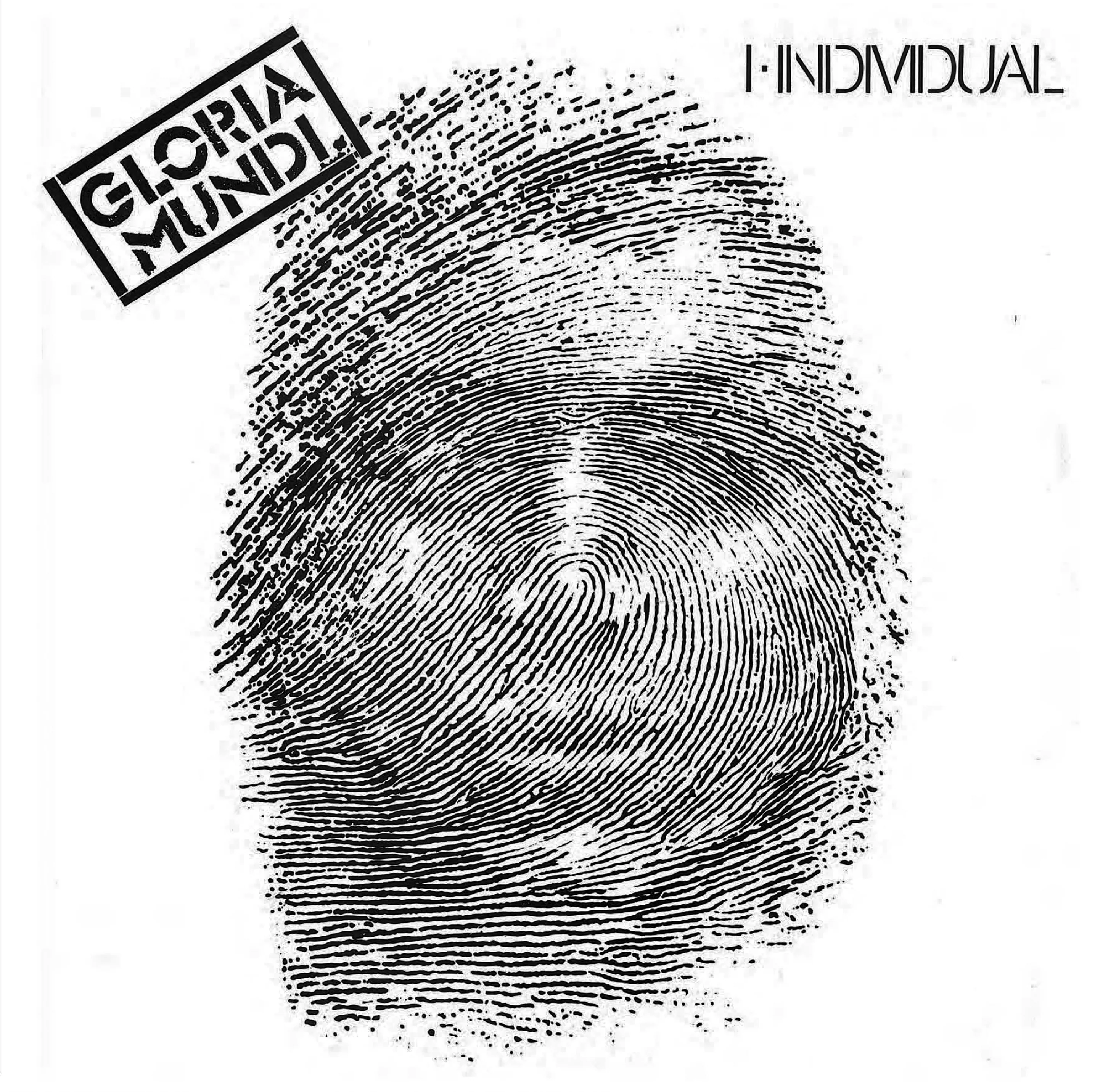
London, 1978 — Emerging from the UK’s underground, Gloria Mundi were never just another punk band. Their debut album, I, Individual, is a bold, theatrical and uncompromising statement—one that fuses aggressive rock with performance art, intellect, and confrontation that collided with punk rock.
Formed in mid-70s London by Eddie Maelov and Sunshine (Valerie Patteson), Gloria Mundi began as an ambitious sci-fi rock opera concept before evolving into one of the more distinctive acts orbiting the early punk movement. Sharing stages with the likes of early Ultravox (then Tiger Lily) and playing iconic venues including the Roxy, Vortex and the Marquee, the band quickly built a reputation for shows that were as visually arresting as they were sonically intense. Their name—drawn from the Latin phrase “Sic Transit Gloria Mundi” (“thus passes the glory of the world”)—captures the band’s core irony and intent: to challenge, provoke, and resist easy definition. Released on RCA in 1978, I-Individual channels that ethos into a record that pushes beyond punk’s three-chord limitations. Combining driving guitars, angular arrangements, and the striking addition of saxophone, the album delivers a layered, “chunky” sound underscored by Maelov’s theatrical vision and Sunshine’s fierce, uncompromising vocal presence. While contemporaries chased immediacy, Gloria Mundi embraced complexity—something that divided critics but earned them a devoted following.
As fanzine writer Mick Mercer observed: “Truly, a classic, under-appreciated band. They’ll either make perfect sense to you or no sense at all.” The band’s live performances were something to check out: stark white lighting, confrontational staging, and a commitment to total performance blurred the line between concert and theatre. “If people just wanted to listen,” Maelov remarked at the time, “they’d stay home with a record. We give them something happening—something exciting.” Despite the backing of infamous manager Rod Smallwood (next band Iron Maiden!) a major label— and even a personal nod from David Bowie himself—I, Individual remained an outsider record: too conceptual for the mainstream, too theatrical for purist punk. Yet that outsider status is precisely what makes it endure. Now remastered, I-Individual stands as a vital document of a band that refused to conform— capturing a moment when punk was still being invented, and Gloria Mundi were already pushing it somewhere stranger. It’s arguably the bridge to Goth and the angular existentialism of Bauhaus, Sex Gang Children, Death Cult and the like. As John Robb says in his Art of Darkness book “Gloria Mundi are one of the great lost bands of the scene.” Gloria Mundi didn’t follow the movement. They challenged it!
Product Information
Product Information
Shipping & Returns
Shipping & Returns
Description
London, 1978 — Emerging from the UK’s underground, Gloria Mundi were never just another punk band. Their debut album, I, Individual, is a bold, theatrical and uncompromising statement—one that fuses aggressive rock with performance art, intellect, and confrontation that collided with punk rock.
Formed in mid-70s London by Eddie Maelov and Sunshine (Valerie Patteson), Gloria Mundi began as an ambitious sci-fi rock opera concept before evolving into one of the more distinctive acts orbiting the early punk movement. Sharing stages with the likes of early Ultravox (then Tiger Lily) and playing iconic venues including the Roxy, Vortex and the Marquee, the band quickly built a reputation for shows that were as visually arresting as they were sonically intense. Their name—drawn from the Latin phrase “Sic Transit Gloria Mundi” (“thus passes the glory of the world”)—captures the band’s core irony and intent: to challenge, provoke, and resist easy definition. Released on RCA in 1978, I-Individual channels that ethos into a record that pushes beyond punk’s three-chord limitations. Combining driving guitars, angular arrangements, and the striking addition of saxophone, the album delivers a layered, “chunky” sound underscored by Maelov’s theatrical vision and Sunshine’s fierce, uncompromising vocal presence. While contemporaries chased immediacy, Gloria Mundi embraced complexity—something that divided critics but earned them a devoted following.
As fanzine writer Mick Mercer observed: “Truly, a classic, under-appreciated band. They’ll either make perfect sense to you or no sense at all.” The band’s live performances were something to check out: stark white lighting, confrontational staging, and a commitment to total performance blurred the line between concert and theatre. “If people just wanted to listen,” Maelov remarked at the time, “they’d stay home with a record. We give them something happening—something exciting.” Despite the backing of infamous manager Rod Smallwood (next band Iron Maiden!) a major label— and even a personal nod from David Bowie himself—I, Individual remained an outsider record: too conceptual for the mainstream, too theatrical for purist punk. Yet that outsider status is precisely what makes it endure. Now remastered, I-Individual stands as a vital document of a band that refused to conform— capturing a moment when punk was still being invented, and Gloria Mundi were already pushing it somewhere stranger. It’s arguably the bridge to Goth and the angular existentialism of Bauhaus, Sex Gang Children, Death Cult and the like. As John Robb says in his Art of Darkness book “Gloria Mundi are one of the great lost bands of the scene.” Gloria Mundi didn’t follow the movement. They challenged it!